
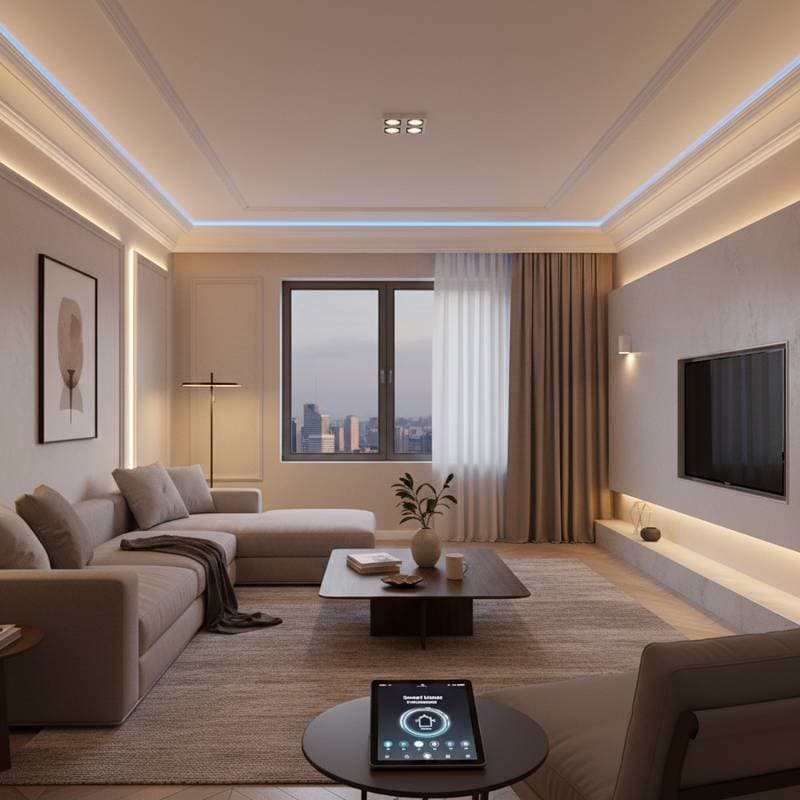
Why Smart LED-Integrated Molding is Dominating Homes
A single trim line can completely change how a room feels. When that trim also lights the space with a soft, programmable glow, it becomes more than decoration. Smart LED-integrated molding is moving from luxury showrooms into everyday homes because it adds beauty, efficiency, and flexibility without major construction. Individuals who desire to highlight ceilings, create mood lighting, or save power find that this upgrade delivers all three elements simultaneously.
What Smart LED-Integrated Molding Does
This molding combines decorative trim with a built-in LED channel, providing indirect lighting along ceilings, walls, or cabinetry. Instead of visible bulbs or fixtures, light bounces off surfaces to create an even wash. The LEDs connect to a smart driver that synchronizes with voice or app controls, allowing instant adjustments to color temperature, brightness, and timing.
The primary appeal lies in atmosphere control. One can establish a warm tone for dinner gatherings, cooler light for work sessions, or a dim mode for evenings. Many systems integrate with motion sensors or smart hubs, enabling lights to activate automatically upon entering a room. In daily use, this eliminates harsh overhead glare and reduces energy costs.
Light at the perimeter expands visual space. Reflection from walls makes ceilings appear taller and rooms larger. Rather than adding more fixtures, the molding redistributes existing light effectively.
To begin, select one test room, such as a living room or hallway. Measure the perimeter accurately, then compare prices of LED molding kits that match the existing trim style.
Costs and Budget
Material and labor costs vary by brand, trim profile, and control options. The following ranges provide a general guide.
- Basic kits range from $12 to $18 per linear foot for MDF molding with fixed white LEDs.
- Midrange smart kits range from $25 to $35 per foot for tunable white or color-changing LEDs with app control.
- Premium systems range from $40 to $45 per foot for integrated aluminum channels, high-CRI LEDs, and voice compatibility.
A typical 150-square-foot room requires 60 to 80 linear feet of molding. A full installation therefore costs between $1,200 and $3,000. Adding a smart hub or upgraded dimmer increases the total by $150 to $300.
Energy costs decrease rapidly. Replacing ten recessed lights with LED molding saves $80 to $100 annually in electricity. Maintenance remains minimal, as LEDs endure for decades before significant dimming occurs.
For budget constraints, install the molding on one or two focal walls initially. Expansion later utilizes the same power supply, minimizing additional expenses.
Common Mistakes to Avoid
Every LED molding project presents potential pitfalls, yet most prove easy to prevent with preparation.
- Underestimate power supply load at your peril; always include 20 percent extra capacity beyond the total LED wattage.
- Skip test runs only if willing to risk color mismatches; illuminate each strip prior to final mounting.
- Ignore expansion gaps, and wood molding may swell or shrink, resulting in visible seams.
- Forget ventilation, as LEDs generate mild heat; ensure space for airflow behind aluminum channels.
- Neglect color temperature planning, leading to inconsistent tones between rooms.
Before painting, seal all joints with flexible caulk. Apply low-sheen finishes to prevent glare. If a section fails, most systems permit replacement of a single strip rather than the entire run.
Prepare a short checklist before cutting. Verify power requirements, alignment, and light direction on paper. Ten minutes of planning prevents hours of rework.
Next Steps for Your Project
Begin by walking through the home at night. Identify spaces that appear too dark or overly harsh. Note areas where walls meet ceilings or where furniture obstructs light; these edges serve as ideal candidates for integrated molding.
Gather essential details before shopping:
- Room perimeter measured in linear feet.
- Ceiling height and wall texture.
- Preferred color temperature range, from 2700K for warm tones to 5000K for cool ones.
- Available power outlets or switch loops.
Next, compare kits based on brightness in lumens per foot and warranty duration. Seek UL-listed drivers and moisture-rated channels for bathrooms or kitchens. After installation, experiment with lighting scenes and schedules to align with daily routines.
Integrating Lighting for Lasting Impact
Smart LED-integrated molding alters the home experience profoundly. It merges craftsmanship with convenience, conserving energy while enhancing design. Whether applied to one wall or throughout every room, this lighting solution fosters enjoyment in daily living.
Resources and Visual Aids
Suggested Visuals
- Diagram illustrating the LED molding cross-section, including diffuser and channel.
- Table comparing energy use among incandescent, fluorescent, and LED molding systems.
Alt Text Intent: These visuals demonstrate component layout and efficiency comparisons, aiding readers in installation decisions.