Cork-Backed Veneer Cuts Room Echo by 40 Percent
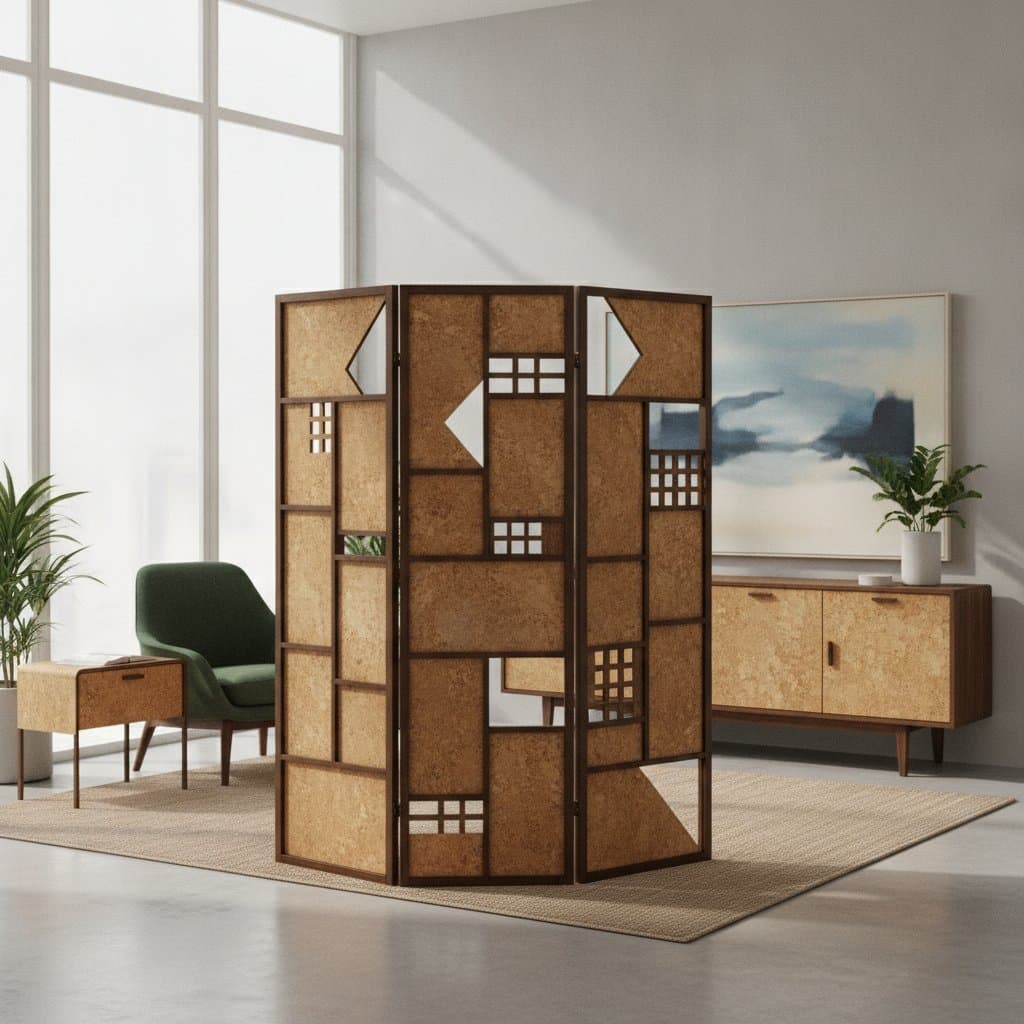
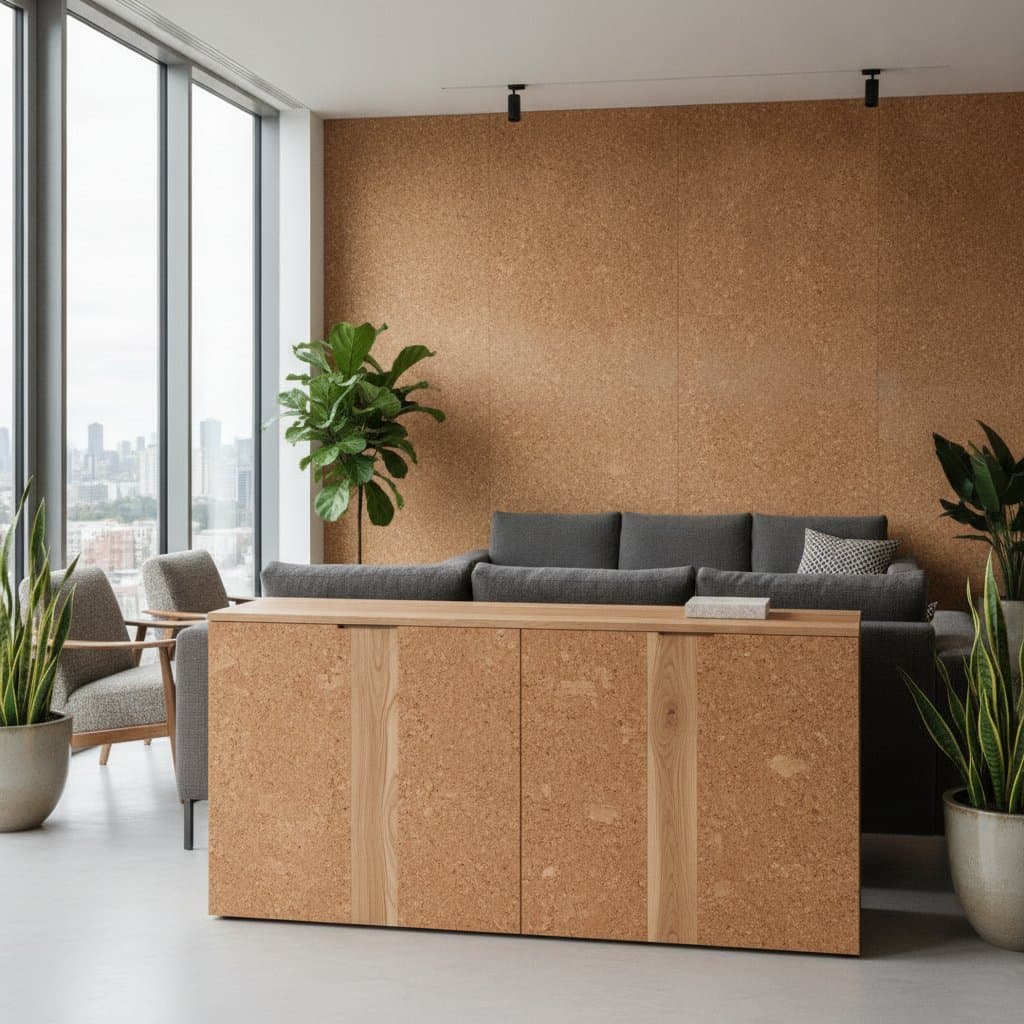
Cork-backed veneer merges acoustic control with sustainable design. Lightweight and moisture resistant, it reduces noise reflection by up to 40 percent while preserving the appearance of fine wood.
Articles tagged with materials
Cork-backed veneer merges acoustic control with sustainable design. Lightweight and moisture resistant, it reduces noise reflection by up to 40 percent while preserving the appearance of fine wood.
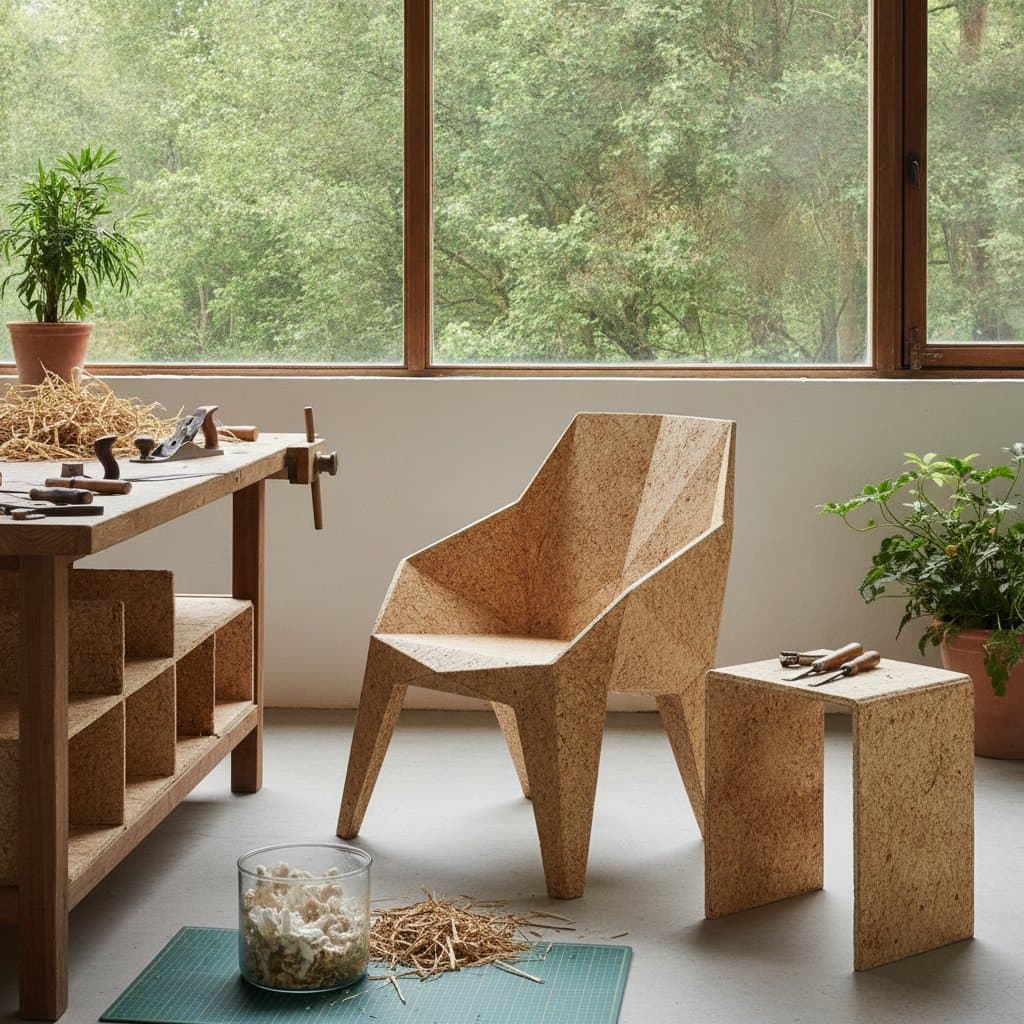
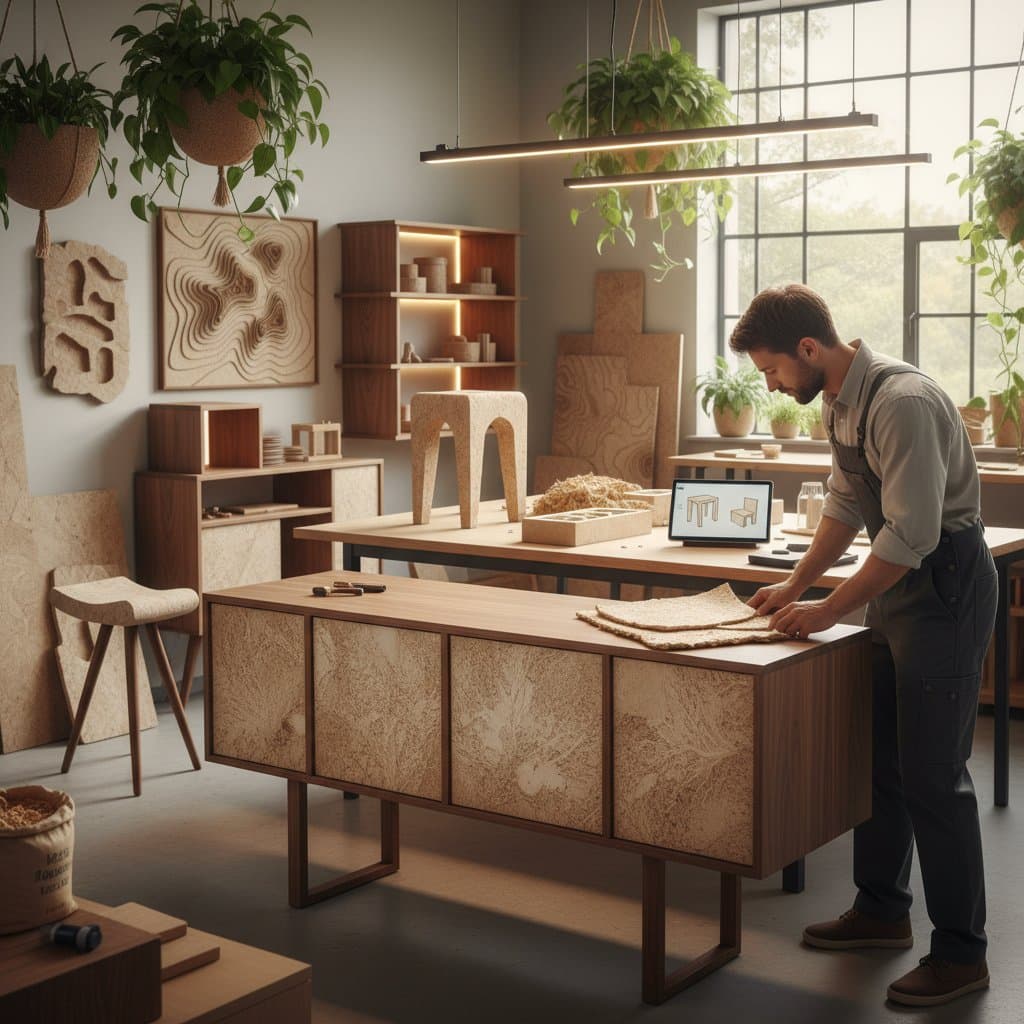
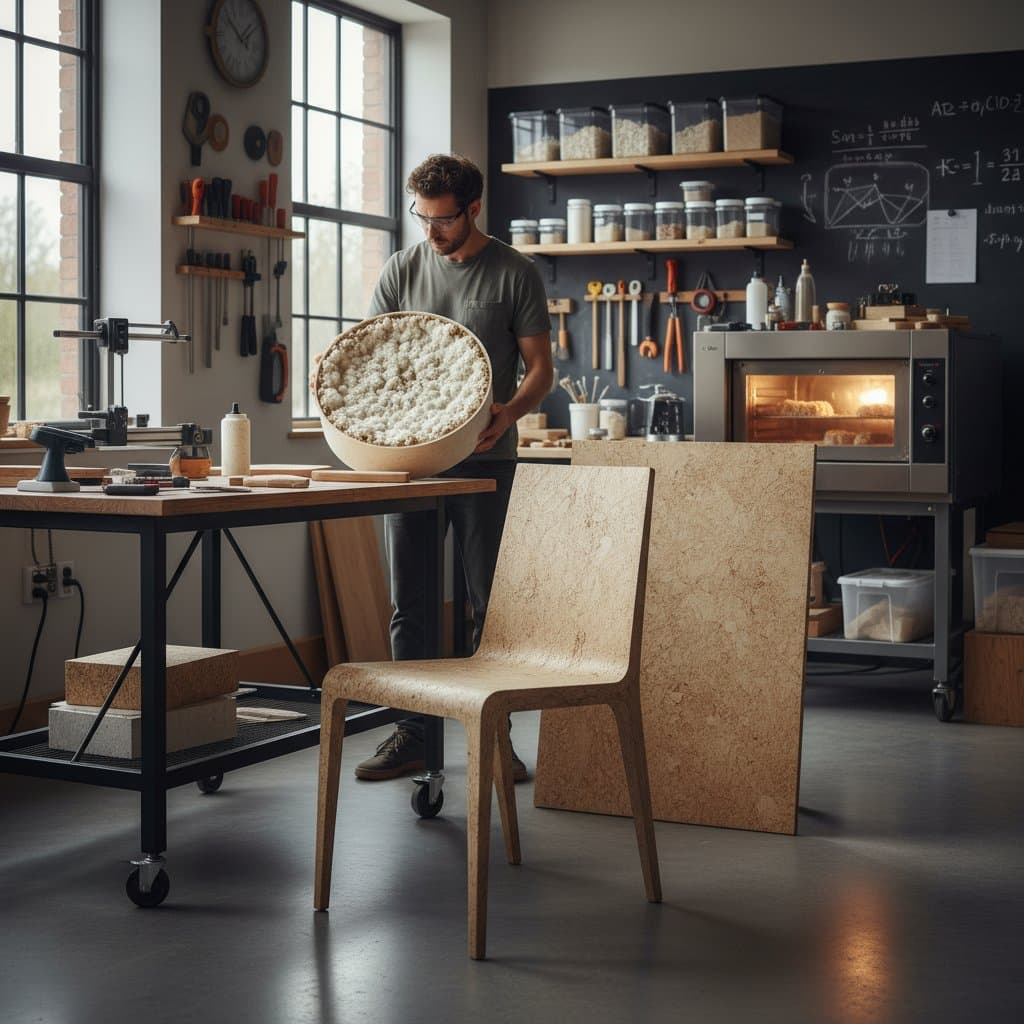
Mycelium wood turns fungi roots and farm waste into lightweight, compostable panels for furniture. It uses 80 percent less energy than MDF, requires no toxic binders, and works with basic tools for custom, sustainable projects.
Cork veneer turns ordinary furniture into eco-friendly, sound-absorbing pieces. Harvested from renewable cork oak bark, it reduces noise by up to 25 decibels while supplying warmth and texture. The material suits cabinets, dividers, and panels that combine craftsmanship with acoustic comfort.
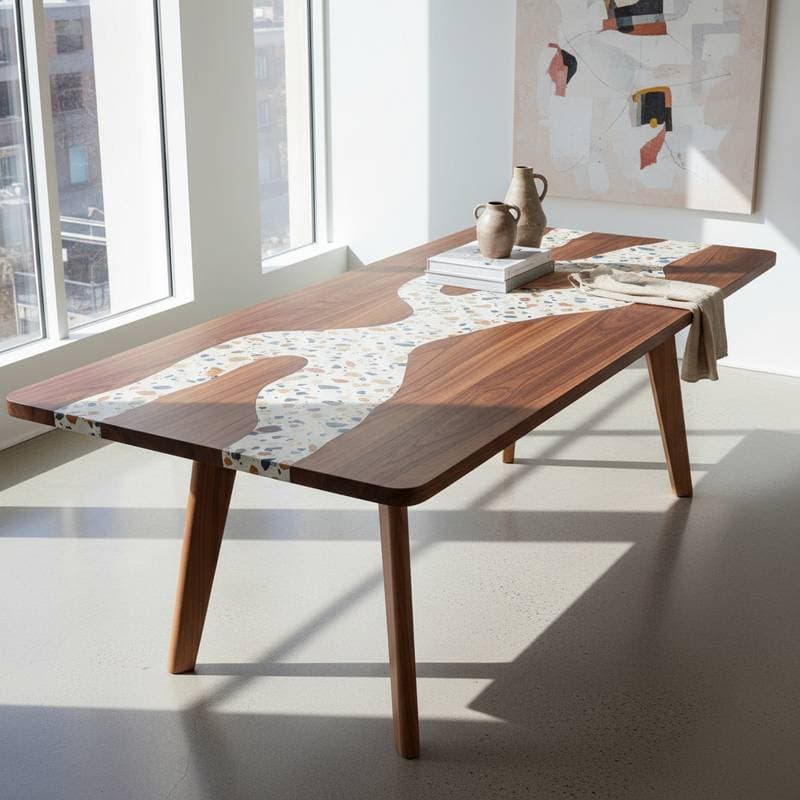
Terrazzo inlays are reshaping wood furniture for 2026 by blending natural warmth with speckled surfaces. Designers embed marble, glass, and quartz into wood for added durability, texture, and visual balance. From dining tables to drawer fronts, this hybrid approach merges artistry and function in pieces that feel both modern and timeless.
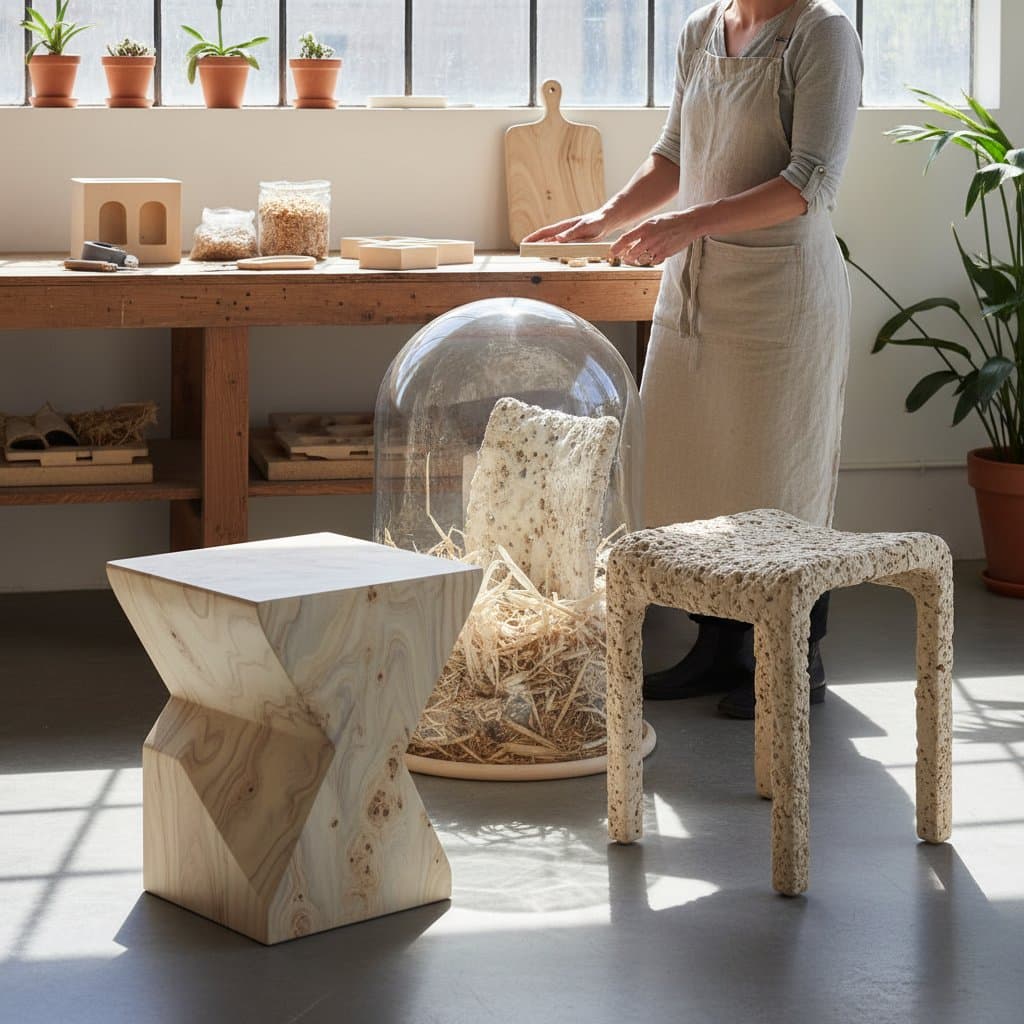
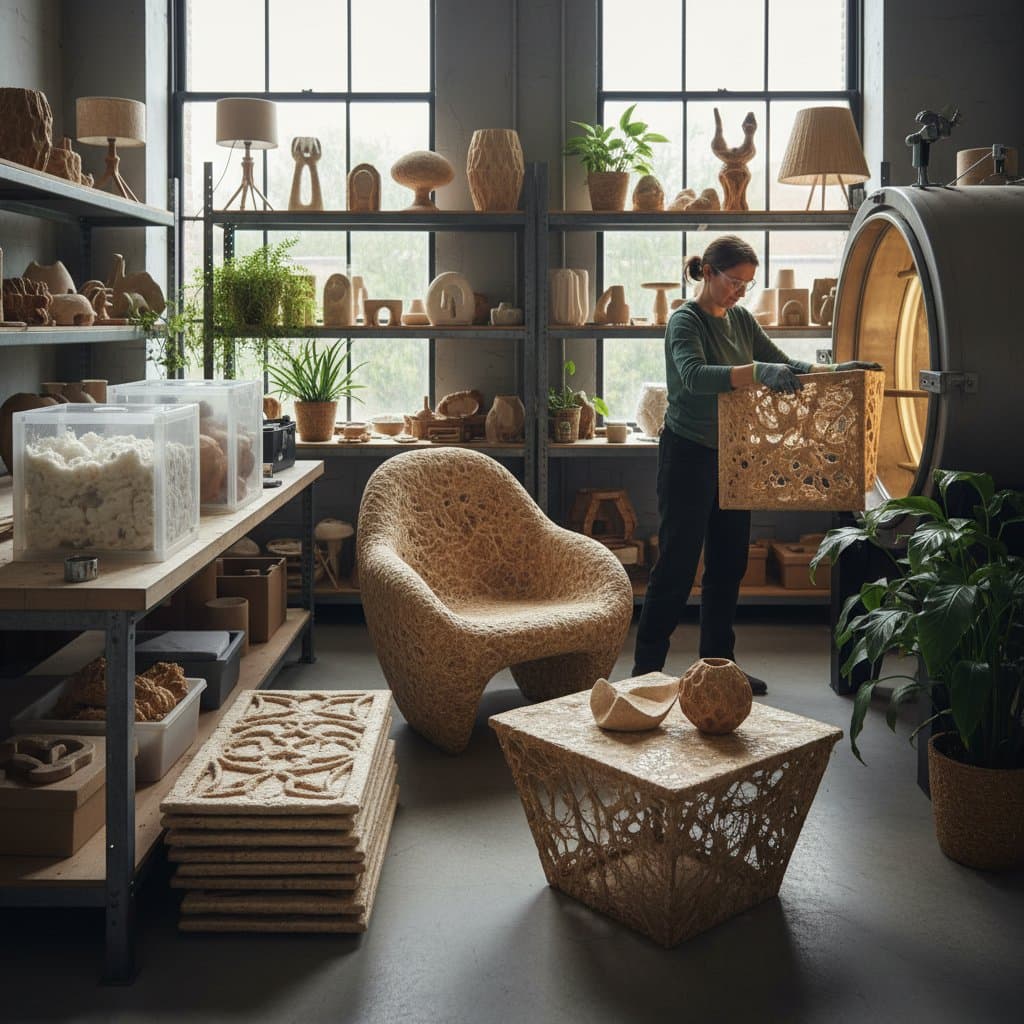
By 2026, DIY furniture makers embrace mycelium, the fungal root network, to create lightweight, regenerative pieces. This compostable material grows in simple molds from agricultural waste, complements wood elements seamlessly, and turns home workshops into hubs of sustainable innovation where designs evolve organically.
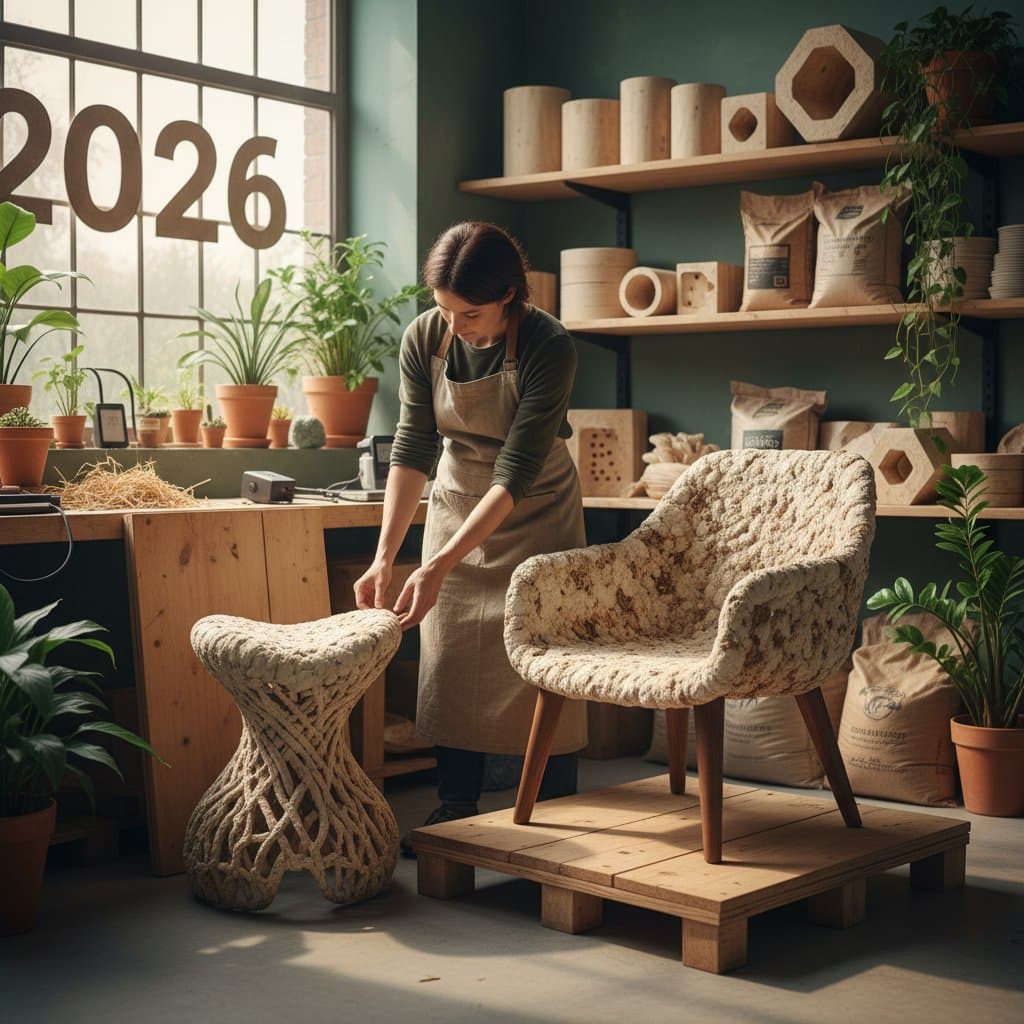
Woodworkers in 2026 adopt mycelium, a fungi-derived material from agricultural waste, as a biodegradable, affordable wood alternative. It minimizes energy, emissions, and waste while delivering lightweight durability, moldable forms, and versatile applications for sustainable fabrication.
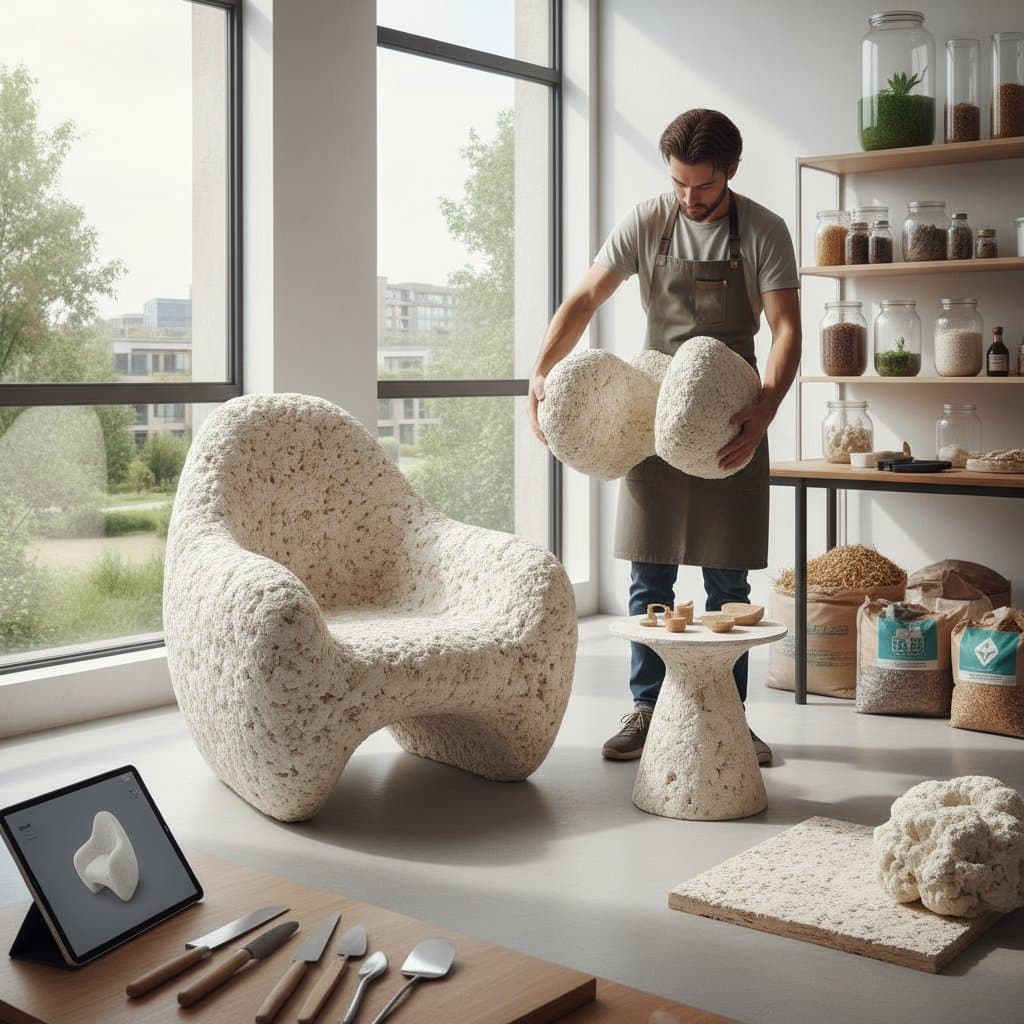
Move beyond cutting boards to growing them. Mycelium, fungi's root network, revolutionizes sustainable furniture by converting agricultural waste into lightweight, wood-like structures. This bio-material empowers DIY makers to blend innovation, ecology, and hands-on creation for regenerative design.
Mycelium, the intricate root network of fungi, redefines sustainable furniture production. This material emerges from agricultural byproducts, creating robust, organic forms without harmful chemicals. Woodworkers gain a versatile, compostable medium that fosters creativity, reduces environmental impact, and integrates seamlessly with traditional craftsmanship in biofabricated designs.
Mycelium, the fungal root network, revolutionizes sustainable furniture making. This practical guide equips DIY creators to cultivate robust, biodegradable items, ditching plastics and resins for innovative, earth-friendly builds that fuse artistry with ecological mindfulness.
Woodworkers increasingly adopt mycelium composites, fungus-derived materials that replicate wood properties while requiring half the energy to produce. These lightweight, compostable options provide an accessible DIY route to sustainable furniture and panels. This guide covers cultivation, curing, finishing, and transforming workshop waste into robust, biodegradable creations.
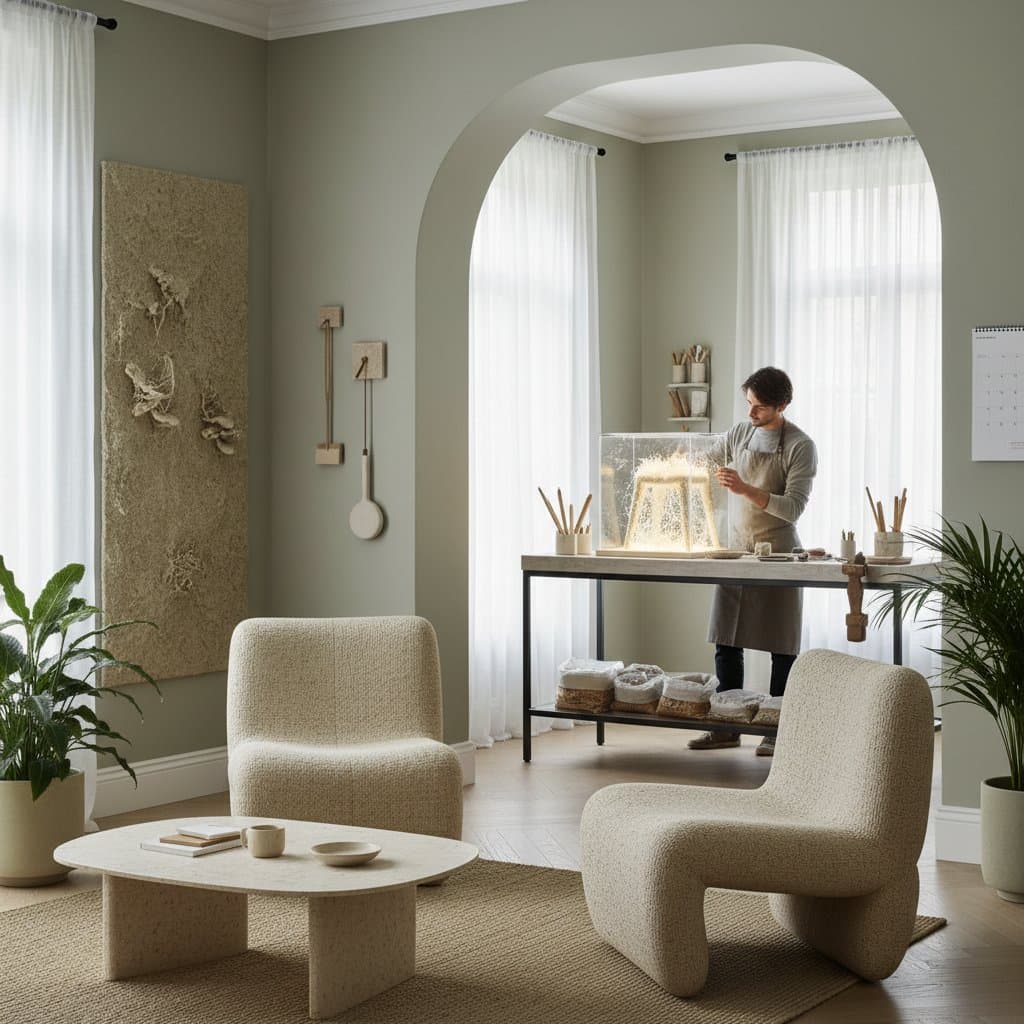
Sustainable creators in 2025 replace wood with mycelium, the fungal network that converts waste into lightweight, biodegradable furniture. This material grows in days, demands less energy, and molds effortlessly, empowering workshops to produce green panels, accents, and pieces without harvesting trees.