
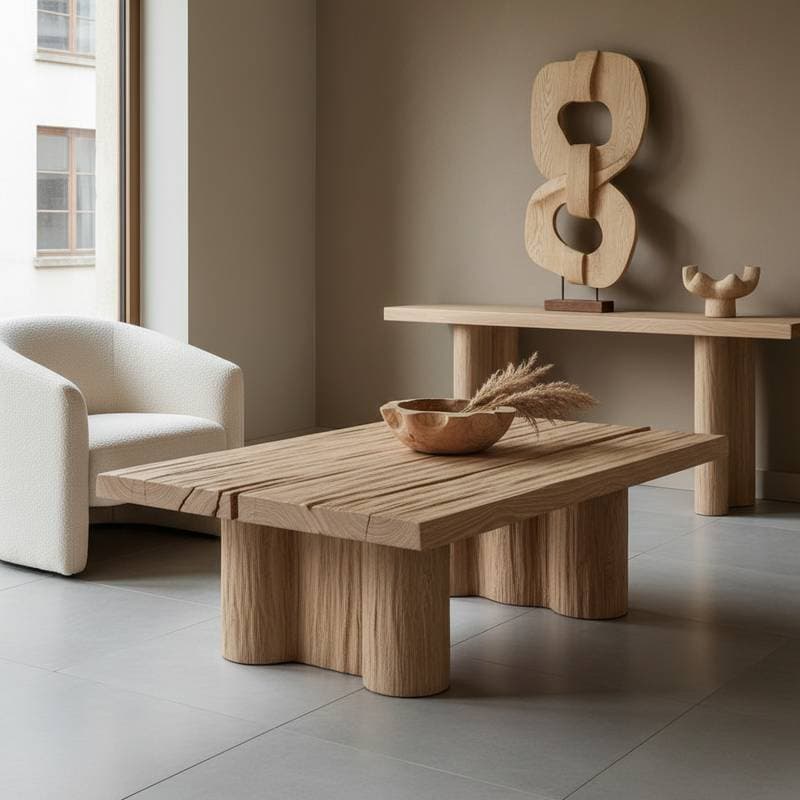
Boucle Wood: The Tactile Finish Trend Taking Over 2026
Texture defines the next wave of wood finishes. Smooth lacquer once signaled precision, yet a new approach introduces softness through deliberate surface variation. Boucle wood delivers a looped, irregular feel drawn from woven fabric. This finish adds warmth and dimension that invites touch.
The following sections detail the origins of the technique, its current uses, and practical methods for application in professional or home settings.
What Is Boucle Wood
Boucle wood takes its name from bouclé fabric, which features looped yarns that create a nubby surface. In timber the effect appears as gentle peaks and valleys that alter light reflection across the grain. The finish remains matte or satin, with the core quality residing in the manipulated depth.
Artisans produce the texture through wire brushing, sandblasting, or light charring that raises softer areas unevenly. Once sealed, the surface resembles threads captured in wood. The result blends rustic character with refined control.
Finish specialist Lena Ortiz notes that the method yields an irregular rhythm without appearing distressed.
Why the Trend Matters Now
Tactility now signals luxury after years of flat, uniform surfaces. Boucle wood meets this demand by offering a living topography that responds to both light and touch. It adds movement to cabinetry and cladding without relying on bold color or pattern.
The approach aligns with renewed interest in natural processes that honor grain variation. Woodworkers gain a distinct offering that emphasizes hand skill over machine repetition.
Design consultant Raymond Cho observes that clients seek wood with a handmade story, which this finish supplies through visible touch and authenticity.
Common Applications
The finish appears on custom kitchen islands, retail fixtures, and sculptural furniture. In kitchens it balances stone counters on lower cabinets. In living areas it covers credenzas or fireplace surrounds to ground the space.
Oak shows pronounced relief due to open grain, while walnut produces a subtler ripple. Light stains accentuate shadow play, and darker tones deepen contrast. Recent projects pair boucle oak with linen and brushed brass for layered harmony.
Step by Step Technique
The texture develops through controlled abrasion and finishing. Follow these stages:
- Wire brush or sandblast to remove soft springwood and raise harder grain.
- Hand sand high points lightly to avoid snags while retaining relief.
- Apply stain or lime wash so pigment settles in recesses for contrast.
- Seal with matte oil or polyurethane to lock texture without filling it.
Each pass and pressure level alters the final light interaction. Finish developer Eli Becker emphasizes that uneven micro-shadowing encourages touch.
Tips for Woodworkers
Shops can add the service to panels and frames with existing wire wheels. Begin with oak offcuts to test brush stiffness and pass counts. Pair the finished surfaces with crisp joinery to highlight the contrast between geometry and texture.
Avoid ornate profiles that compete with the grain relief.
Lighting and Pairings
Side lighting reveals the surface drama. Under-cabinet strips or wall washers accentuate shadows. Neutral palettes of warm white or soft black allow texture to dominate. Brushed metals sustain the tactile conversation, while glass or polished stone provides balance.
Interior designer Kara Nguyen states that every space benefits from an imperfect element to feel human.
Care and Maintenance
Dust settles in recesses, so use a brush attachment for regular vacuuming. Avoid thick waxes that fill the pattern. Renew penetrating oil finishes with light sanding and a fresh coat. Semi-matte polyurethane suits high-traffic commercial use.
The surface develops a natural patina that deepens contrast over time.
Incorporating into Projects
Test the look on a single tabletop or wall panel before larger commitments. Balance one textured element with smoother companions, such as a boucle base beneath a honed marble top. Pre-textured veneers suit entry budgets, while custom hand finishing serves higher-end work.
Industry Outlook
New variable-speed brushes and specialized sealers improve consistency. The process reduces reliance on synthetic coatings because it celebrates natural grain. Furniture makers now specify the finish for drawer fronts and shelving that photograph well and connect with buyers seeking authentic touch.
For large runs, sequence boards by grain density before finishing. A light mist coat before staining equalizes absorption. Minor irregularities add charm and help conceal everyday wear.