
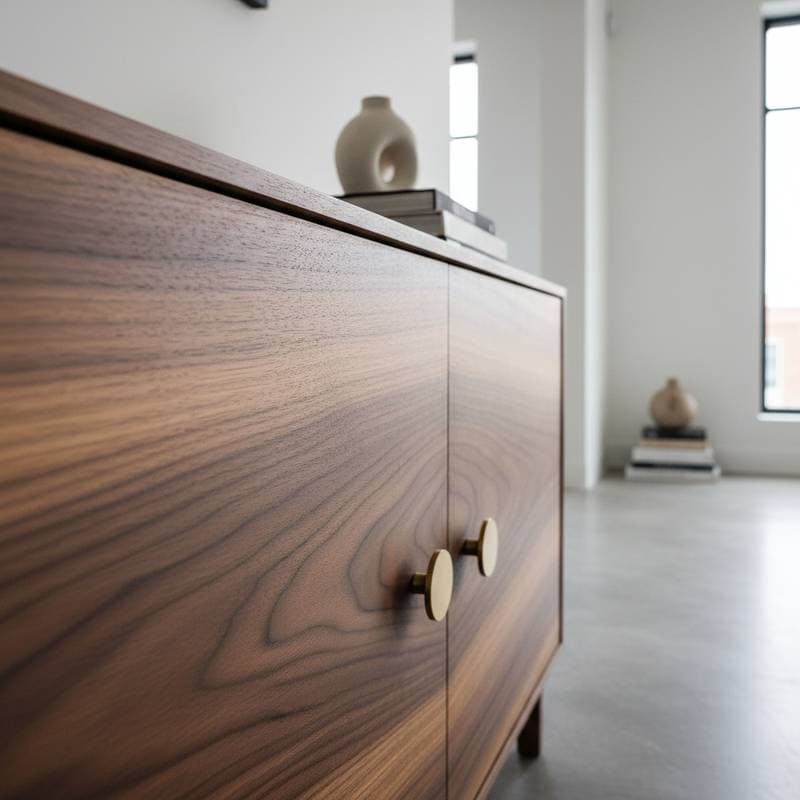
2026 Trend: Venetian Plaster Creates Luxe Wood Finishes
Venetian plaster has long been linked to smooth walls and cloudy depth, but furniture makers now use it to imitate rich wood tones and tactile grain. The process adds subtle luster, soft texture, and handcrafted character that bridges classic and modern design. This shift allows woodworkers and designers to achieve the feel of fine timber without relying on rare species or heavy stains.
At a Glance
- Homeowners and designers seek refined texture and warmth.
- Projects appear in urban apartments and custom furniture studios across North America and Europe.
- Installations range from small accent tables to full paneling, often covering 40 to 300 square feet.
- Teams at Atelier Lume, Studio Carra, and independent artisans experiment with troweled finishes on wood.
- Photographers Mira Pohl and Daniel Reyes document the results.
Past Limitations
For years, high-end interiors struggled to balance natural materials with durability. Veneers lifted, stains faded, and reclaimed boards brought unpredictable tones. Many clients wanted warmth without the maintenance that comes with real wood. As designer Luca Carra noted, people love the look of walnut or oak but also want surfaces that resist scratches and moisture.
Traditional stains could not always achieve that depth. The result was a cycle of refinishing and touch-ups, especially on tabletops or cabinetry near sinks. The visual effect often felt flat compared to the movement of real grain.
Current Approach
Venetian plaster, when tinted and layered with mineral pigments, now delivers that missing richness. Artisans trowel thin coats over sealed wood or MDF, pressing and burnishing until the surface gleams like polished timber. The technique captures the subtle shifts of grain and tone that make wood compelling, yet it holds up to humidity and daily wear.
In finished pieces, delicate striations mimic quarter-sawn oak or bleached ash. Light glides across the surface and picks up warm undertones that change through the day. This finish suits kitchens, dining rooms, and built-in shelving where durability meets touchable texture.
Plaster gives control, said Maria Lume, founder of Atelier Lume. Teams can create the illusion of depth and age without cutting into a single tree.
Application Steps
- Seal wood or MDF with primer and mesh to prevent cracking.
- Combine lime-based Venetian plaster with natural pigments, mica, or marble dust.
- Apply two to three coats with a stainless steel trowel, each thinned to about 1/32 inch.
- Burnish gently with a plastic spatula or soft cloth to create sheen without gloss.
- Add an optional wax layer for water resistance and subtle warmth.
Some artisans add a faint woodgrain pattern using a dry brush or comb before the final pass. Others leave the surface smooth for a more sculptural look. Restraint remains essential. A single layer that is too thick can dull the play of light that makes plaster finishes tactile.
Lighting and Integration
Layered lighting enhances the effect. Downlights or concealed LED strips emphasize the movement of pigment, while side lighting reveals texture variations. Designers pair these finishes with matte stone, woven textiles, or brushed metal to maintain balance. The result creates a calm rhythm between materials that feels grounded yet luminous.
Cabinet doors finished in Venetian plaster need subtle hardware to avoid visual clutter. Integrated finger pulls or recessed handles keep the focus on surface texture. In open shelving, plastered panels can frame wood or glass inserts and create contrast that reads as custom craftsmanship. The technique also conceals joints, which helps built-ins appear monolithic and clean.
Reasons for Adoption
Interest in Venetian plaster wood effects reflects a wider movement toward tactile minimalism. Instead of ornate grain or heavy gloss, designers favor muted tone-on-tone finishes that invite touch. The plaster mineral base also reduces reliance on chemical stains and sealers. For woodworkers, it opens new creative territory. Teams can work on less expensive substrates yet still deliver a high-end result.
This approach supports sustainability goals. By using plaster to achieve wood-like warmth, fewer exotic species are harvested. Many studios now combine locally sourced plywood with lime plaster for a surface that is renewable and long lasting.
Testing the Technique
Test this look on small pieces before committing to full cabinetry. Start with a 2-foot by 2-foot sample board. Seal the wood, apply two thin plaster coats, and practice burnishing. Adjust pigment levels to match the tone desired, whether driftwood gray or espresso brown.
Required tools include a stainless steel trowel, fine-grit sandpaper, a natural bristle brush or comb for faux grain, mineral pigment or oxide tint, and wax or sealer for the topcoat. A smooth, controlled hand is vital. The plaster must stay workable but never wet. If ridges form, pause and let the surface set slightly before reworking. Patience yields the signature glow that defines Venetian finishes.
Frequent Errors to Avoid
Skipping primer leads to uneven absorption and cracks. Over-burnishing causes shine instead of soft depth. Too much pigment masks the natural variation that simulates grain. Professionals recommend testing under different lighting conditions because color shifts between daylight and warm LEDs can alter the final impression.
Practical Benefits
Venetian plaster can replicate or elevate wood finishes while adding durability. The method reduces maintenance and material waste. It suits cabinetry, panels, and furniture where warmth is desired without veneer. The finish performs best under layered light that highlights subtle shifts in texture. Artisans can customize hue, sheen, and grain effect for each client.
When applied with care, this hybrid surface bridges artistry and practicality. It turns simple joinery into statement pieces that feel timeless.
Daily Care and Longevity
Homeowners who choose plastered wood surfaces report easier upkeep. A damp cloth removes dust, and scratches blend into the mottled pattern instead of standing out. Over time, the surface gains soft patina rather than wear marks. It becomes part of the home rhythm, like stone or leather that improves with touch.
It is not trying to be wood, said designer Maria Lume. It celebrates what handwork can bring to the idea of wood. That mindset defines the appeal. The result delivers the intimacy of natural material combined with the control of modern technique.